
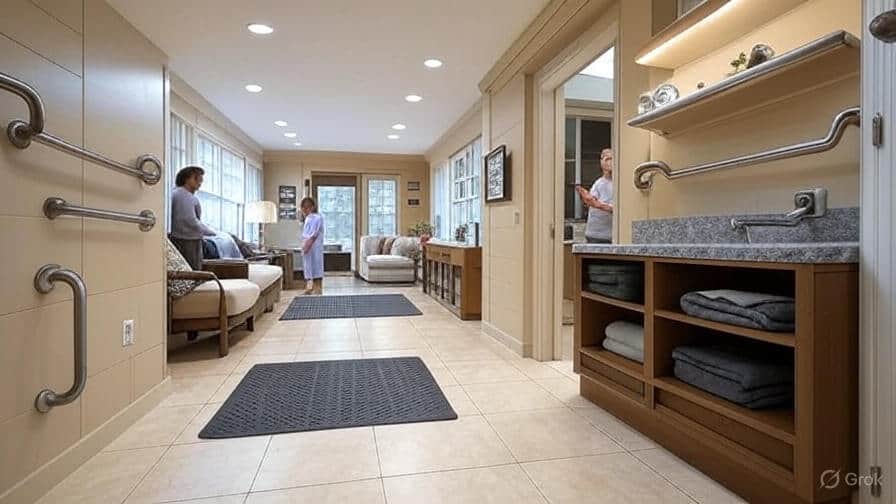
More and more seniors want to stay in their own homes, so making smart changes to those spaces is super important. Fixing common dangers while keeping the cozy feel of home helps prevent accidents and makes daily tasks easier. This approach lets older adults live safer and more comfortably, showing that small tweaks can make a big difference in everyday life. Keep reading to discover how these simple changes can transform a home into a safe, happy place.
Many families face the challenge of balancing independence with protection. Simple changes, like better lighting or grab bars, can make a significant difference. Drawing from real experiences and reliable data, this guide offers step-by-step ideas to create secure environments. Whether you’re helping a parent or preparing your own home, these strategies focus on practical improvements that fit various budgets and needs.
Statistics show that falls alone account for a large portion of injuries among those over 65, according to health reports from recent years. By focusing on key areas, you can reduce these risks substantially. Let’s explore how to make each part of the home more accommodating, starting with the fundamentals.
Starting with Basic Safety Elements
Before diving into room-specific changes, consider the core aspects that apply throughout the house. Good lighting plays a crucial role in spotting potential dangers, particularly in hallways and entrances. Use brighter bulbs or add motion-sensor lights to illuminate paths automatically.
Flooring choices matter too. Opt for materials that provide traction, such as textured tiles or low-pile carpets secured firmly to the ground. Remove any loose items like rugs that could shift underfoot. Wider doorways, at least 32 inches, accommodate mobility aids without issue.
Handrails along stairs offer stability. Place them at a comfortable height, around 34 to 38 inches, and ensure they extend beyond the top and bottom steps. These small steps form the foundation for a more secure setup.
Choosing the Right Materials
When selecting floors, look for options rated for slip resistance. Vinyl or cork can work well in moist areas. For walls, lighter colors reflect light better, improving visibility.
Planning for Emergencies
Keep a list of contacts near phones. Install smoke detectors on every level and test them monthly. Carbon monoxide alarms near sleeping areas add another layer of caution.
Making Bathrooms More Secure
Bathrooms often pose the highest risk due to wet surfaces. Begin by adding grab bars near the toilet and shower. These should support at least 250 pounds and attach to wall studs for strength.
A walk-in shower eliminates the need to step over high edges. Pair it with a handheld showerhead for flexibility. Raised seats for toilets reduce the effort needed to sit or stand, easing joint pressure.
Non-slip mats inside and outside the tub prevent slides. Faucets with lever handles require less twisting, ideal for limited dexterity. Keep towels and essentials within arm’s reach to avoid overextending.
For example, one family installed a bench in the shower, allowing their elderly relative to sit while bathing. This simple addition cut down on fatigue and improved stability. Consider anti-scald devices on faucets to control water temperature automatically.
Lighting and Ventilation Tips
Overhead lights combined with wall sconces reduce shadows. Exhaust fans help clear steam, keeping mirrors fog-free and air fresh.
Adjusting Kitchens for Everyday Use
Kitchens involve heat, sharp objects, and heavy lifting, so modifications here focus on accessibility. Position frequently used items between knee and shoulder height to minimize bending or reaching.
Appliances with clear controls and auto-off functions reduce fire hazards. Induction cooktops stay cool to the touch except under pots. Pull-out shelves in cabinets make contents easier to access without straining.
Improve task lighting under cabinets for precise work like chopping. Rounded counter edges prevent bruises from bumps. A seated workspace, like a counter with open space below, allows cooking while sitting.
Practical advice includes labeling drawers clearly and using lightweight dishes. One senior found that switching to a front-loading dishwasher saved energy and reduced back strain. These tweaks keep meal prep enjoyable and less risky.
Organizing Storage Effectively
Use dividers in drawers for utensils. Lazy Susans in corners bring items forward easily.
Creating Comfortable Bedrooms and Living Rooms
These areas should promote rest and relaxation without obstacles. Arrange furniture to allow at least three feet of clear walking space. Secure cords along walls to avoid tangles.
Beds at a height of 20 to 23 inches make getting in and out simpler. Nightstands with lamps provide light without leaving the bed. Chairs with arms offer support when rising.
Window treatments that block glare but allow natural light enhance the atmosphere. Area rugs with non-skid backing stay in place. For living rooms, remote controls with large buttons simplify entertainment.
A 2023 study indicated that such arrangements lowered fall incidents by up to 30 percent in homes. Families can start by mapping out traffic patterns and removing unnecessary pieces.
Furniture Selection Guidelines
Choose stable pieces without sharp corners. Upholstery in breathable fabrics adds comfort.
Incorporating Assistive Items
Reachers for high shelves or sock aids for dressing maintain self-reliance.
Adding Technology to Support Independence
Modern devices extend capabilities in subtle ways. Voice-controlled systems manage lights, music, and reminders hands-free. Sensors on doors alert to unusual openings, useful for those with memory concerns.
Wearable buttons connect to response services instantly. Video doorbells allow checking visitors from anywhere in the house. Smart thermostats maintain consistent temperatures without manual adjustments.
For instance, motion detectors can turn on lights in the middle of the night, guiding safe trips to the bathroom. Apps on tablets track medication schedules with alerts. These tools integrate smoothly into daily life.
According to health organizations, adoption of such tech has grown, with many users reporting higher satisfaction in their routines. Start with one or two items to see what fits best.
Implementing Universal Design Concepts
This philosophy aims for inclusivity from the outset. Features like no-step entrances suit wheelchairs and strollers alike. Contrasting colors on steps and handles aid those with visual impairments.
Kitchen sinks with adjustable heights or bathrooms with curbless showers exemplify this. Doors with automatic openers reduce physical effort. These elements benefit all household members over time.
Experts recommend consulting professionals for major renovations. A well-planned layout anticipates future needs, saving costs long-term. Resources like Wooden Earth provide additional inspiration on natural materials that blend safety with aesthetics.
Color and Texture Choices
Matte finishes cut down on reflections. Textured knobs improve grip.
Building Areas for Social Interaction
Isolation affects health, so design encourages visits. A welcoming entry with seating invites guests. Open layouts facilitate conversations without barriers.
Dedicated spots for activities, like a puzzle table or reading nook, spark engagement. Outdoor access to patios extends living space safely. Plants and artwork add warmth.
One community group noted that homes with communal areas saw residents more active socially. Include phone charging stations near seating for easy calls to family.
These designs combat loneliness, linking physical setup to emotional health. Small gatherings become effortless, strengthening bonds.
Customizing for Personal Touch
Tailor spaces to individual tastes for a sense of belonging. Display family photos or hobbies prominently. Adjustable lighting suits reading or relaxing moods.
Comfortable seating in favorite colors uplifts spirits. Storage for cherished items keeps them accessible. Refresh decor seasonally to maintain interest.
Research from 2023 links personalized environments to better mood and motivation. Involve the senior in decisions to honor their preferences.
Maintaining Flexibility
Modular furniture allows rearrangements as needs change. Multi-use rooms adapt over time.
In summary, designing safer living spaces for seniors involves a mix of practical fixes and forward-thinking ideas. From basic lighting and flooring to tech integrations and social setups, each element contributes to a supportive home. Bathrooms gain grab bars for stability, kitchens become more accessible with smart storage, and bedrooms offer clear paths for restful nights. Universal design ensures longevity, while personalization adds joy.
These changes not only cut injury risks but also nurture well-being, helping older adults stay connected and active. Families who implement even a few tips often see immediate benefits, like increased confidence in daily tasks. Remember, the goal is a home that adapts to life stages gracefully.
Take the first step today by assessing your space or a loved one’s. Walk through rooms noting potential issues, then prioritize upgrades based on urgency and budget. Consult local experts for installations, and involve everyone in the process. With these efforts, you create not just a safer place, but a truly nurturing one where seniors can enjoy their days fully. Start small, build gradually, and watch the positive impact unfold.


