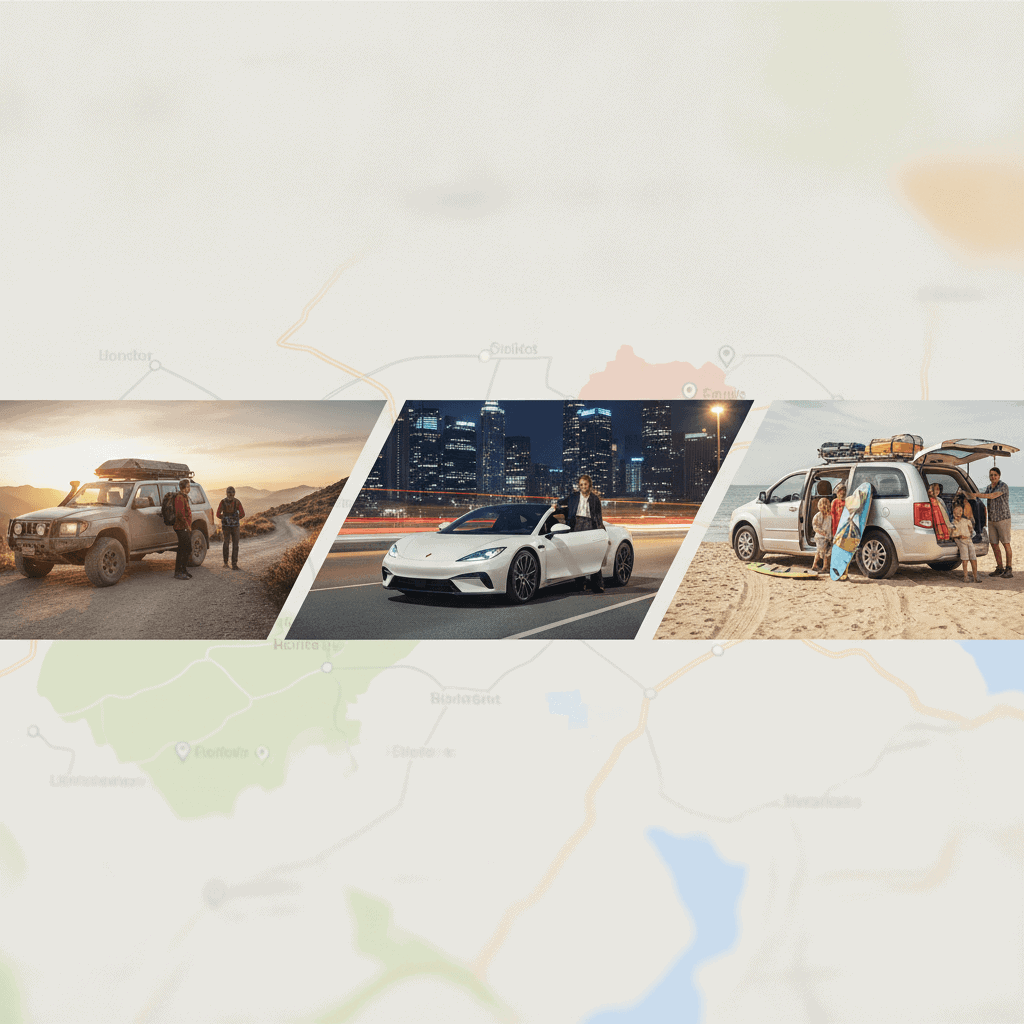
Setting out on any adventure, whether it is a quick weekend getaway or a long cross-country trip, often requires reliable transportation. For many of us, this means renting a car. The idea of picking up a set of keys and driving off into the distance sounds simple enough, but there is more to it than just grabbing the cheapest option available.
I have learned through my own travels that making the right choice early on can truly make a difference in your entire experience. A bad rental car pick can quickly turn a fun trip into a stressful situation. It is important to think ahead about what you need and what kind of driving you will be doing.
With careful thought and some smart planning, you can easily find the right rental car for every journey. This means enjoying a smooth, comfortable, and worry-free ride every time you hit the road. I want to share some personal insights on how to achieve this.
Matching Your Car to Your Travel Needs
The first step in finding the perfect rental car is to honestly assess your travel plans. I always start by picturing my trip. Will I be driving mostly in the city, taking long stretches on the highway, or perhaps heading off-road a bit? The type of terrain and the length of your trip play a big role.
For city driving, I often pick a compact or economy car. They are easy to park in tight spots and they sip gas, which saves money. But for family trips, space is a must. You cannot squeeze two kids and all their gear into a tiny car for a week and expect happiness. So, a larger sedan or an SUV becomes the clear choice.
Consider the number of passengers and the amount of luggage. If it is just me, a small car works fine. If I am with my partner and we have two large suitcases, a mid-size car is the minimum. If we are traveling with friends or more family, a minivan or a full-size SUV is essential. You want everyone and everything to fit comfortably.
My advice is to always over-estimate your space needs a little. A little extra room is always better than being cramped. Think about what activities you will be doing. Ski trips need space for equipment. Beach vacations might mean sandy towels and coolers, so a car with easy-to-clean interiors could be a hidden benefit. Matching the car to the journey makes every mile more pleasant.
Understanding Rental Costs and Fees
Rental car pricing can feel like a puzzle. The base rate you see online is rarely the final price you pay. I learned this the hard way on my first few rentals. There are many hidden charges and fees that can quickly add up and surprise you when you go to pay.
Always look at the full cost before you confirm a booking. This includes local taxes, airport surcharges, and licensing fees. These are usually non-negotiable but they vary by location. Some companies also charge extra for things like roadside assistance, GPS, or even specific fuel policies.
Fuel policies are a big one for me. I prefer the “full to full” option because I can refill the tank myself right before returning the car. This avoids paying inflated prices for gas at the rental counter. Sometimes a “prepay fuel” option works if you know you will return it empty after a long drive but I usually skip this.
Mileage limits are another thing to check. Most rentals in the US offer unlimited mileage, but some international or specialty rentals might have daily limits. Exceeding these limits can result in steep per-mile charges. Always read the fine print because it saves headaches and unexpected expenses later on.
Extra Charges to Watch Out For
Some companies charge for an additional driver. If someone else will be sharing the driving, make sure to ask about this fee. It is often a daily charge, and it can add up over a longer rental period. I always weigh the cost versus the benefit of having a second driver.
Young driver fees are also common for those under 25. This fee is usually mandatory and can be quite high. If you are a young driver or traveling with one who will share driving duties, factor this into your budget right away. It is a detail that often catches people off guard.
Exploring Different Vehicle Types
When I look at rental car options, I see a spectrum of choices. Each category serves a different purpose, so knowing the differences helps to make the best decision. I have driven everything from tiny cars to large vans, and each had its place.
Economy cars are small and fuel-efficient. They are perfect for solo travelers or couples with light luggage who need to zip around urban areas. I often pick these for short business trips where I just need to get from the airport to a hotel.
Compact and mid-size cars offer a bit more space than economy models. They are good for small families or those needing a bit more comfort than an economy car provides. These are my go-to for weekend trips with my partner where we have a bit more gear.
SUVs come in various sizes from compact to full-size. They offer more cargo space and often better ground clearance. I find them useful for road trips with friends or family where we have a lot of bags or want the option to explore less paved roads. They are also popular because of their elevated driving position.
Specialty and Luxury Rentals
Minivans are the ultimate people carriers. If you are traveling with a large family or a group, these are often the most practical choice. They have plenty of seating and storage space, making long drives with kids much easier. I remember a trip with extended family where a minivan was a true lifesaver.
Luxury and sports cars are for those special occasions when you want to make an impression or just enjoy a thrilling drive. These rentals come with a higher price tag and often more stringent insurance requirements. I usually save these for anniversaries or special events. They are a nice treat.
Trucks and vans, beyond minivans, are available for moving or specialized hauling needs. These are less common for general travel but important to know about if you have specific cargo requirements. Always book these well in advance because they are not always readily available.
Insurance Options and What You Really Need
Rental car insurance can be confusing, and it is a common area where people spend too much or too little. I have spent time figuring out the various options to avoid unnecessary costs while still staying protected. Understanding what you already have is key.
Many personal auto insurance policies extend to rental cars. It is smart to check with your insurance provider before you rent. I usually call my agent to confirm my coverage for rental vehicles. They can tell you exactly what is covered and what is not.
Credit card companies also often offer rental car insurance as a perk. This is typically secondary coverage, meaning it kicks in after your primary insurance. However, some premium credit cards offer primary coverage. This can save you a lot of money, so I always check my card benefits.
Rental car companies will offer their own insurance products. These include a Loss Damage Waiver (LDW) or Collision Damage Waiver (CDW), which covers damage to the rental vehicle. They also offer Supplemental Liability Insurance (SLI) for third-party damages and Personal Accident Insurance (PAI) for medical expenses. I usually decline the LDW/CDW if my personal insurance or credit card covers it. But SLI is often a good idea if your personal liability limits are low.
It is important to remember that declining the rental company’s insurance might mean using your personal insurance if something happens. This could affect your premiums later on. Weigh the risks and your existing coverage carefully. I make my decision based on how much risk I am comfortable taking.
Essential Booking Strategies for Better Deals
Getting a good deal on a rental car requires a bit of strategy. I have found that booking early almost always results in lower prices, especially for peak travel times or popular locations. Waiting until the last minute can leave you with fewer choices and higher costs.
Comparison shopping is another must. I use multiple online travel agencies and the rental company’s direct websites to compare rates. Prices can vary significantly between providers for the exact same car class. Do not just stick to one company because you might miss out on a better offer.
Joining loyalty programs can also provide benefits. Many rental car companies have free loyalty programs that offer discounts, upgrades, and faster pickup processes. I am a member of a few of these, and the perks have definitely saved me time and money over the years.
Sometimes, booking a slightly larger car class can be cheaper than a smaller one if there is a special promotion. Always check if you can get a better car for less or the same price. Also, remember to look for coupons or discount codes online before finalizing your reservation.
Flexibility with dates can sometimes yield better prices too. Weekend rates can differ from weekday rates. If your travel plans are flexible, play around with pickup and return times to see if it changes the cost. I have seen price drops just by shifting a return time by a few hours.
What to Do When Picking Up Your Rental
The pickup process is a critical step that many people rush through. I have learned to take my time and be thorough to avoid problems later. When you arrive at the rental counter, have all your documents ready. This includes your driver’s license, credit card, and rental confirmation.
Before leaving the lot, I always do a careful inspection of the vehicle. I check for any existing dents, scratches, or damage both inside and out. I take photos or even a video on my phone to document the car’s condition. This provides proof in case there is a dispute when I return the car. I also check that all the lights work and that the tires look good.
Make sure the fuel gauge matches what is on your contract. If you opted for a full tank, it should be full. If it is not, point it out to a staff member. I also adjust my mirrors and seat, and familiarize myself with the controls like the headlights, wipers, and air conditioning. It is much safer to do this while parked than when driving.
If you find any issues, bring them to the attention of the rental agent immediately. Have them note the damage on your rental agreement. This prevents you from being held responsible for pre-existing damage. It is a simple step that protects you from unexpected charges later.
Making the Most of Your Rental Car Experience
To truly find the right rental car for every journey and enjoy it, I believe a little preparation goes a long way. Beyond the booking and pickup, thinking about the practical aspects of your drive makes things much smoother. For helpful information about choosing rental car tips, you can find many resources online that detail important considerations for your next trip.
Plan your routes in advance, especially if you are heading to unfamiliar areas. Use GPS or mapping apps. Download offline maps if you expect to lose cell service because this can save you from getting lost. I always ensure my phone charger works in the car too.
Keep the car clean, or at least reasonably tidy. Returning a very dirty car might incur cleaning fees. I try to remove any trash and wipe down surfaces before returning it. This small effort helps avoid extra charges and leaves a good impression.
Always return the car on time. Late returns can result in additional daily charges. If you think you will be late, call the rental company as soon as possible to see if you can extend your rental. Sometimes they can adjust the return time without extra fees, but it depends on their policy and availability.
When you finally return the car, take one last walk around it. Check for any items you might have left behind. Take photos of the car again, showing its condition and the fuel gauge, just like you did at pickup. This ensures you have a record of the return condition. A smooth return process is the perfect end to a great rental experience, making you ready for your next adventure with confidence.